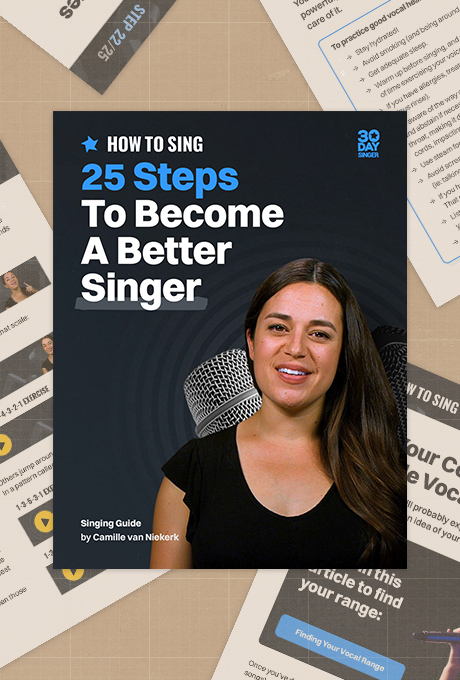
Style and Performance
Welcome to the Style and Performance section of 30 Day Singer. As you grow comfortable with basic vocal techniques, these lessons provide a deeper focus around vocal stylization along with tips on how to perform like a pro! There are many styles of singing to explore and master, from pop, R&B, rock, classical, and country. Let us teach you how to sing in these styles with more ease for your next performance. After a few lessons you will find yourself singing with more confidence, poise, and with a signature style all your own.
TUTORIALS

Christmas Songs
By Camille van NiekerkIt’s a special Christmas tutorial! Join me for some holiday fun as we learn a few favorite carols. This tutorial is great for singers of any experience level. See you there!
Intro to R&B
By Camille van NiekerkHow do I start learning to sing R&B? Where do I begin? First: begin listening to a varietyof r&b artists! Get that playlist ready, and then watch my Intro to R&B tutorial. See you there!
How to Sing Country
By Camille van NiekerkWhere are my country singers at? If you love country music and would like to learn more about singing in a country style, this tutorial is for you! Singers of any genre and experience level are welcome. I encourage you to get in the mood with your favorite country tune, and we’ll get singing together.
Classical Singing
By Camille van NiekerkThis tutorial on classical technique will get you started finding your classical tone, whether your goal is to learn classical repertoire, be a better choral singer, or build a solid foundation so you can branch into other styles knowing how to get the most out of your voice.
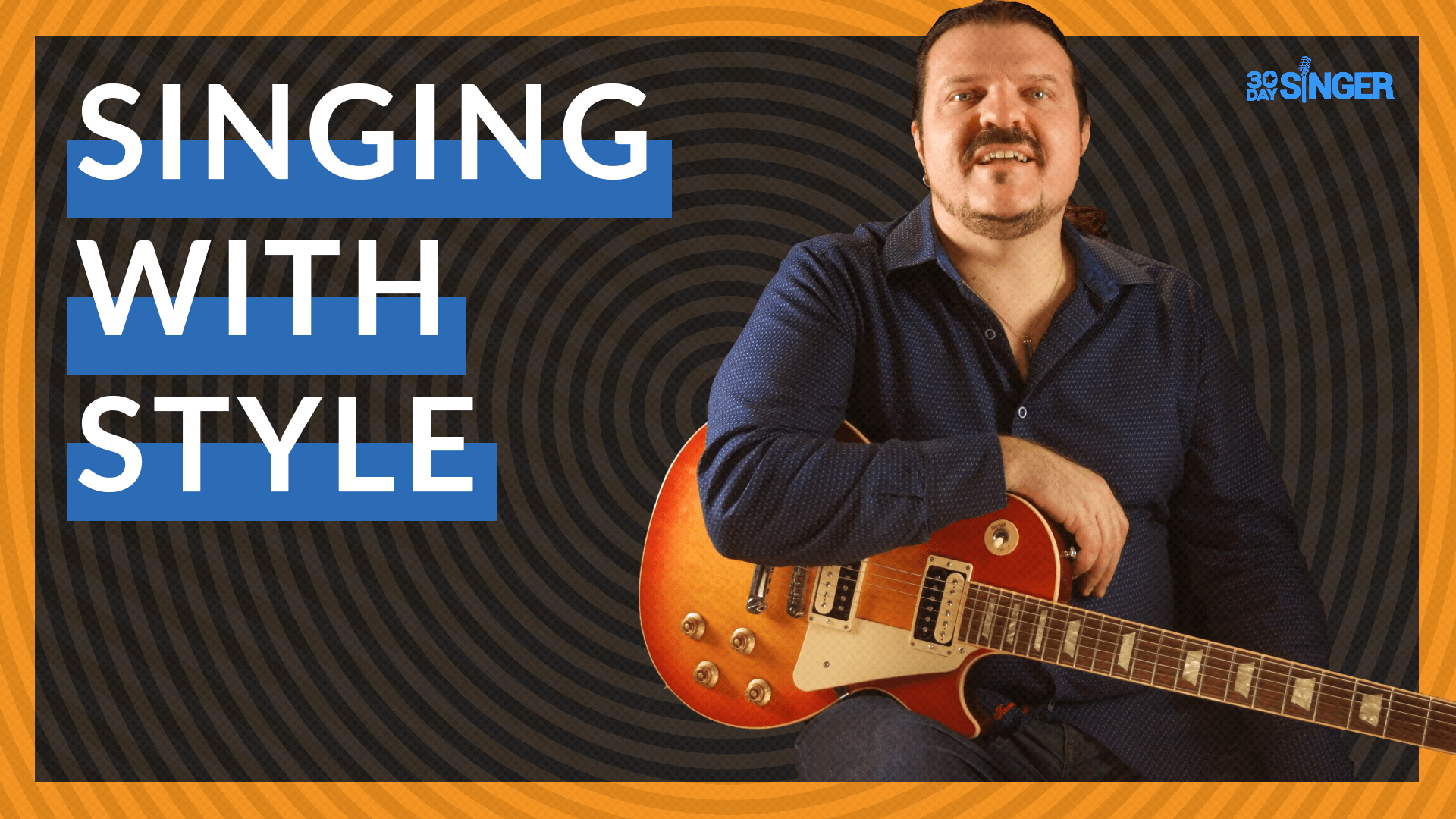
Singing in the Style of Your Favorite Male Singers
By Jon StathamJon Statham will show you how to sing in the style of your favorite male artists!
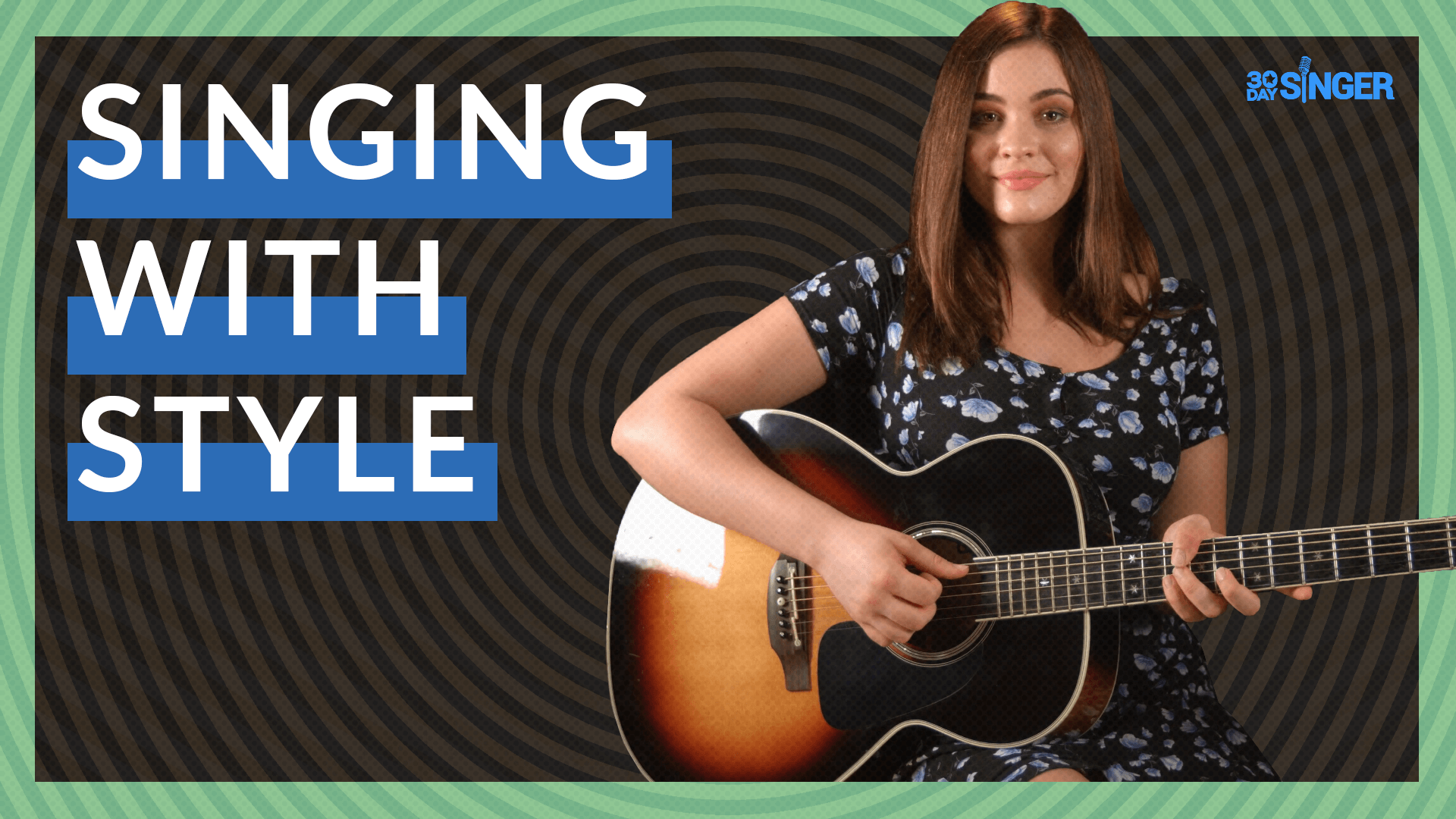
Singing Style of Your Favorite Female Artists
By Reagan JamesFormer "The Voice" contestant, Reagan James will show you how to sing in the style of your favorite female artists!

How to Sing Like Abel from The Weeknd
By Abram PoliakoffAbel Tesfaye, the singer known as The Weeknd, has a smooth and balanced pop tone that lives in the high mixed voice register of his voice. His ability to navigate the mixed voice region with an effortless and yet impressive control allows him to keep up with the dancey upbeat energy in his music. Yet he maintains a cool and unconcerned, sometimes purposefully numb, affect all at the same time. This highly efficient vocal style and carefree attitude is something that many singers want to emulate. Abel Tesfaye’s name is used only for informational purposes. This tutorial is not endorsed by Mr. Tesfaye.
Perform Like a Pro
By Camille van NiekerkDoes the thought of performing absolutely terrify you? Most singers experience a mix of both anxiety and excitement. In this tutorial, Camille shares the best game plan for a perfect performance.
Performance Warmups
By Camille van NiekerkDo you have a performance coming up? Maybe an audition? Before it’s performance time, you’ll want to make sure that you warm up your voice. But what kinds of warm-ups should you use? Keep watching for Camille's tutorial on performance warm-ups!
How to Sing Like Ed Sheeran
By Abram PoliakoffEd Sheeran has a romantic and vulnerable pop singing style that many singers want to imitate. His voice can sound sensitive, soft, and breathy in his chest and head voice as well as somewhat rough with occasional purposeful strain, abrupt registration, and cracking in particularly impassioned moments. We are going to spend all of our time in this tutorial identifying and practicing many of the stylistic elements that Ed Sheeran uses while singing! Ed Sheeran’s name is used only for informational purposes. This tutorial is not endorsed by Mr. Sheeran.
Frequently Asked Questions
Some great vocal warmups for singers start with gentle humming or lip trills to relax and engage your vocal cords without straining them. Then, work through some scales to gradually increase your pitch range and get your voice fully warmed up.
For a quick 5 minutes vocal warm up, try some lip trills or gentle humming for a couple of minutes. It’s effective and quickly preps your vocal cords for singing or speaking without overdoing it.
When your voice is sick, keep singing warmups light and gentle—like humming or low, quiet scales. Also, drink lots of warm fluids and rest your voice as much as possible.
Start with some light humming, followed by a few pitch glides (from low to high sounds) to get your voice comfortable. Finish with a few tongue and lip trills to help with articulation.
Two good vocal warm ups are humming and lip trills. These are super effective and easy vocal warm-ups that gently activate your vocal cords without causing strain. Both are great for starting any vocal exercise.
Breathing exercises and resonance drills, like humming and vocal slides, improve the quality and projection of your speaking voice. They help develop control and clarity, making your voice sound more confident.
Hydrate regularly, practice breathing exercises, and do daily warm-ups. Consistency with these habits will help your voice sound smoother and stronger over time.
To strengthen a weak speaking voice, practice deep breathing and speak from your diaphragm to add power. Also, try projection exercises like speaking in front of a mirror to boost confidence and clarity.
Focus on articulation exercises, like tongue twisters, and practice controlling your breath to avoid running out mid-sentence. Over time, these will improve clarity and help you speak with ease.
The four vocal function exercises are sustained phonation (holding a sound steadily), pitch glides (sliding between notes), lip trills, and staccato sounds on different pitches. They work together to strengthen and balance your vocal cords.